
Any affiliate links in this post will be clearly marked with a * and if you click a link and buy a product, then I may receive a small commission at no extra cost to you. Thank you for supporting my blog!
More and more families, especially those who live in urban areas, are choosing to raise backyard chickens. The obvious attraction of doing so is to enjoy fresh eggs every morning. But what many parents do not expect is just how much children can learn from the experience. In fact, for many households, chicken keeping quickly becomes about more than collecting eggs. It represents an opportunity for children to develop traits like responsibility, patience, and empathy. Even a greater understanding of how the natural world works. For families considering adding chickens to their backyard, the first year can be full of invaluable life lessons. Here’s what children can learn during it.
* This is a collaborative post
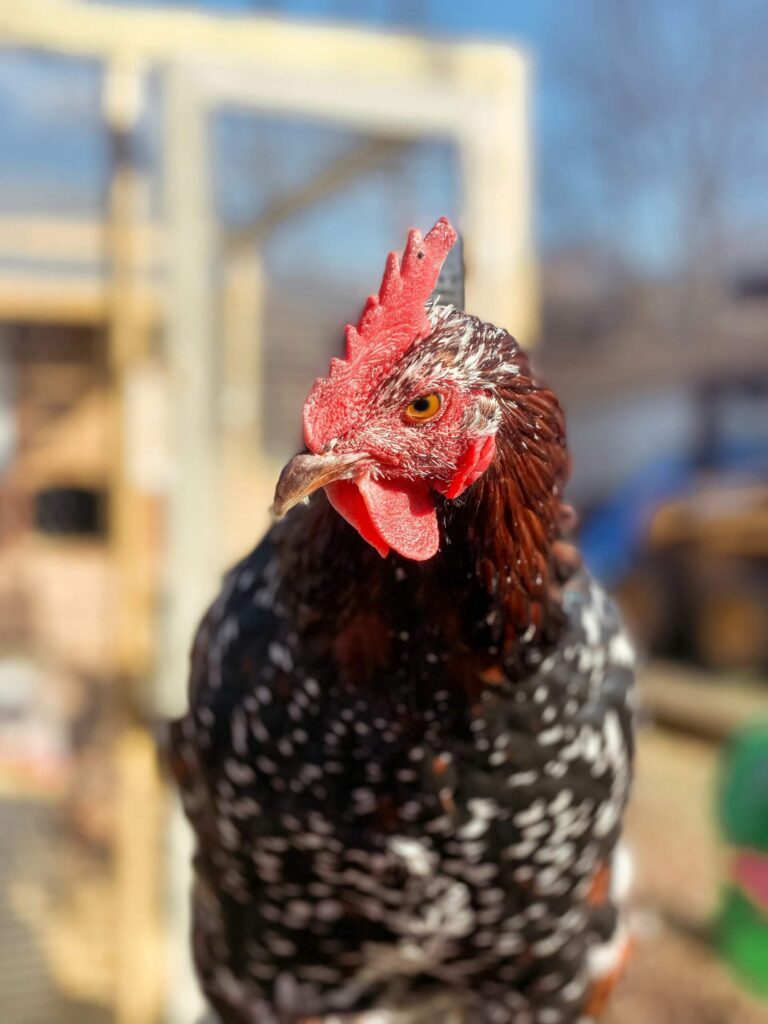
Why Some Families Choose to Keep Backyard Chickens
When many families begin raising chickens, it is often because they want to live more intentionally and sustainably. Children are often curious about where their food comes from. Yet many assume it simply appears on supermarket shelves.
Keeping chickens offers a hands-on way to connect food with its source. With a backyard coop, children can see the process that leads to the food they eat each day. For many families, ordering a coop from a company like Somerzby, and bringing home a few hens becomes a practical way to introduce children to the farm-to-table concept.
It also creates a family activity that encourages spending time together outdoors. As well, of course, as caring for animals together.
The First Few Months
The early months of keeping chickens often involve a steep learning curve. While setting up the coop can be fairly straightforward, caring for chickens quickly becomes a daily routine you need to stay on top of.
Chickens need to be checked each day. Their eggs need collecting. Their feed and water must be replenished. The coop also requires regular cleaning to keep the birds healthy.
Children soon discover that chicken keeping involves more than the fun of collecting eggs. Chickens love scratching and digging. In doing this, they leave plenty of manure behind. Cleaning the coop becomes an essential part of the routine.
Sometimes, children learn the hard way that small mistakes can happen. Something as simple as leaving the coop door open overnight may result in hens wandering into nearby gardens and causing mischief. Or worse, being attacked by predators.
Experiences like these quickly show children how important it is to maintain a sense of organisation and consistency when caring for animals.
Responsibility
One of the clearest lessons children learn from keeping chickens is responsibility.
Many families create a simple rota. This helps to ensure everyone plays a role in caring for the chickens. Some daily tasks family members will need to do might include:
- Feeding the hens
- Checking water levels
- Collecting eggs
- Helping tidy the coop
At first, of course, you might need to remind children who might forget a task or prefer spending time indoors. However, children soon learn that chickens depend on their caretakers every day.
Over time, the routine will start to become familiar. Children will remember their tasks without prompting. They should also begin to understand that their actions directly affect the wellbeing of the animals.
The link between effort and outcome soon becomes very clear to them because they realise that when the chickens are well cared for, they remain calm and healthy.
Understanding Where Food Comes From
Another powerful lesson children gain from raising chickens is a new understanding of food.
For many children, the moment they discover their first egg is unforgettable. The egg may be warm. Slightly speckled. And unlike anything they have ever seen come from a supermarket carton.
Indeed, holding an egg that came directly from a chicken they helped care for can be an eye-opening moment. Suddenly, breakfast becomes more meaningful, and eggs are no longer just an item purchased at the store. They result from the daily care and attention given to the animals.
Once children make this connection, their curiosity often grows. Questions about food production, farming, and animal care start appearing at the dinner table. You can even show them how to cook eggs in an age-appropriate way.
Patience, Loss, and Difficult Moments
Unfortunately, the first year of chicken keeping may not always be filled with cute moments and steady egg production. But this does have some benefits for kids, as some of the most salient lessons they’ll learn come from challenging periods.
For example, there may be weeks when egg production drops unexpectedly. This could lead children to worry if they have done something wrong. These moments create opportunities to explain natural cycles in animals and to extol the virtues of patience.
Occasionally, a chicken may develop a health issue. This can be worrying for children who have grown attached to the birds. However, they will learn that caring for a sick hen may involve observing behaviour closely or visiting a veterinarian.
These experiences teach children to recognise signs of illness. During this time, they may develop empathy for animals that rely on human care. They can also help children understand that animals, like people, sometimes face health challenges.
The Unexpected Benefits of Raising Chickens With Kids
When people talk about the benefits of backyard chickens, the obvious advantages usually come up first. Fresh eggs are the major attraction. Another is children spending more time outdoors.
But the unexpected benefits often turn out to be the most rewarding. Children, for instance, frequently develop strong bonds with the chickens. Indeed, many enjoy talking to the birds. Feeding them. Or proudly showing their friends the coop and run.
Chicken keeping can also strengthen family connections because daily routines become shared activities. Even simple tasks like feeding the hens or gathering eggs become small inter-generational moments spent together. Memories you’ll cherish for years to come.
If you have enjoyed this post and found it useful, here are some ways you can say thanks and support Hannah And The Twiglets:
- Click here to buy me a virtual coffee 🙂
- Share this post with your friends 🙂
- Follow Hannah And The Twiglets on Instagram, Facebook and Twitter 🙂