
Any affiliate links in this post will be clearly marked with a * and if you click a link and buy a product, then I may receive a small commission at no extra cost to you. Thank you for supporting my blog!
Family meals out feel far more enjoyable when a restaurant understands the small challenges parents face. Children may need food quickly, adults want time to look at the menu and everyone benefits from friendly service that keeps the meal moving. Restaurants don’t need elaborate entertainment or a complete redesign to meet those needs. A thoughtful menu, flexible seating and a smoother payment process can turn an ordinary lunch into somewhere a family wants to visit again. Here are some ways restaurants can improve the family dining experience.
* This is a collaborative post
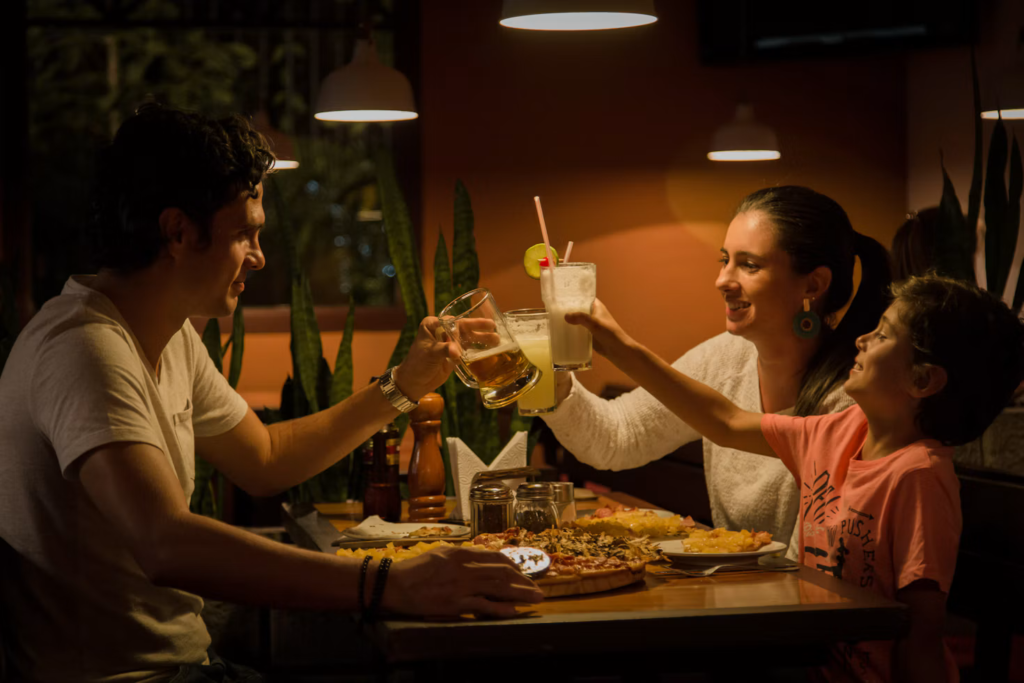
Simple Ways Restaurants Can Improve Family Dining
Make the Children’s Menu More Appealing
Give children enough choice without creating an overwhelming menu. Three or four dependable favourites can sit alongside smaller portions of familiar dishes from the main menu. This allows a child to try grilled fish, pasta or a mild curry without committing to an adult-sized plate.
Useful children’s menu ideas include offering simple customisation and improving presentation. Let families swap chips for vegetables or ask for sauce on the side without fuss. Clear labels for allergens and dietary options also save parents from having to ask several questions while keeping an eye on hungry children. Staff should know which dishes can be adjusted and how long they usually take.
Keep Ordering and Payment Moving
Long gaps feel even longer when a toddler has finished eating or a baby needs attention. Train staff to take children’s orders first when families prefer, bring drinks promptly and check whether the table would like the bill before the plates are cleared. These small habits give parents more control over the pace of their visit.
Technology can help too. A portable restaurant payment device allows staff to accept payment at the table, saving families from queuing at a counter or waiting for a card terminal. An integrated point-of-sale system can also send orders clearly to the kitchen, manage tickets and help teams keep track of busy tables. The technology should support warm service, not replace it.
Create a Comfortable Space for Families
Look at the dining room from a parent’s point of view. Is there room to position a highchair safely? Can a pushchair reach the table without blocking a busy walkway? Are booster seats clean, secure and easy for staff to find? A few tables with extra space can make arrival much less awkward.
Clean toilets and a well-maintained baby-changing area matter just as much as the dining room. Provide a stable changing surface, a covered bin and enough room for a changing bag. Back at the table, wipeable menus and sturdy cups help families relax. If possible, keep one quieter area away from speakers or heavy foot traffic for children who find noisy spaces difficult.
Offer Simple Activities at the Table
A small activity can fill the gap between ordering and eating. Colouring sheets, pencils and reusable puzzle cards are inexpensive and easy to refresh. Small touches like these can make a family day out feel much easier when children need something to keep them occupied while they wait for food. Avoid toys with tiny pieces, loud sounds or surfaces that are difficult to clean.
The best activities connect naturally with the restaurant. A pizza restaurant might provide a sheet where children design their own toppings, while a seaside café could use a simple spot-the-difference puzzle. Broader dining experience improvements can also include comfortable lighting, attentive service and consistent food presentation. These details benefit every guest, while families gain a calmer setting in which children have something manageable to do.
Help Staff Respond With Confidence
Give team members clear guidance for common family requests. They should know where the high chairs are stored, which meals can arrive quickly and how to handle allergy questions. A short briefing before service can cover unavailable dishes, expected waiting times and any large family bookings.
Tone matters as well. Parents generally appreciate patience when a child needs an extra minute to choose, but they also value quick, direct answers. If the kitchen is running 25 minutes behind, say so before taking the order and suggest a starter that can arrive sooner. When a spill happens, deal with it calmly and bring a cloth without making the family feel uncomfortable. That considerate response may be what parents remember most.
Restaurants that make family dining easier often earn repeat visits because parents know what to expect. A clean highchair, an adaptable meal and a bill that arrives at the right moment may seem like minor details, yet together they create a relaxed experience. When the family leaves without a long wait at the table, there’s a good chance they’ll remember the restaurant next time they plan a meal out.
If you have enjoyed this post and found it useful, here are some ways you can say thanks and support Hannah And The Twiglets:
- Click here to buy me a virtual coffee 🙂
- Share this post with your friends 🙂
- Follow Hannah And The Twiglets on Instagram, Facebook and Twitter 🙂